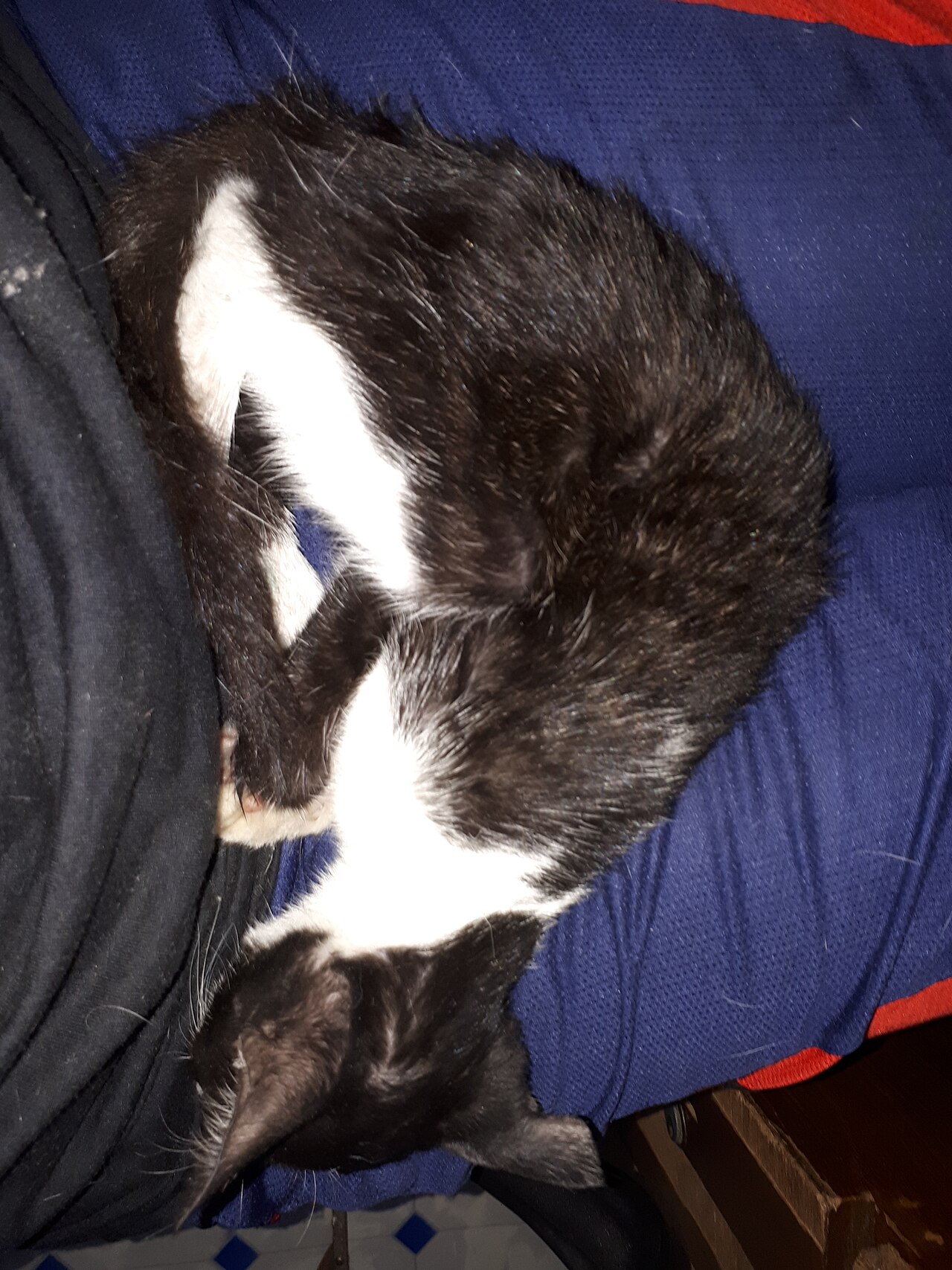
Last month, the Studio attended a meeting of the local planning committee. The matter before the committee was a cat flap. The meeting lasted six hours.
Present
- Principal Architect Marmaduke Loaf
- Associate Architect Dame Pillow
- Three members of the committee, who were identified only by their cardigans
- One clerk, who was asleep
Item one: the application
The applicant sought permission to install a flap measuring 20 centimetres by 20 centimetres in a back door. The applicant stated that the flap was small, discreet and desired by a cat.
Item two: objections
A neighbour objected on the grounds that the flap would “set a precedent.” When asked what precedent, the neighbour replied, “A cat one.”
The committee noted the objection and moved on.
Item three: discussion
The first cardigan raised concerns about the character of the door. The second asked whether the flap would be visible from the road. The third asked whether it would be possible to install a flap in the committee room, so that its members could leave.
Item four: expert evidence
Principal Architect Loaf gave evidence. He argued that a flap is the oldest form of democratic access, since it allows any cat to enter without being asked. He added that the committee had a duty to respect the rights of cats, who had been using doors for centuries.
“A door without a flap is a door that says no. A flap says maybe.”
Item five: the vote
The committee voted two to one in favour. The third cardigan abstained, on the grounds that he had gone to get a sandwich.
Item six: conditions
Permission was granted, subject to the following conditions.
- The flap must not exceed the stated dimensions
- The flap must be painted in a neutral colour
- The flap must not squeak
- The cat must be informed
Outcome
The cat was informed. She declined to use the flap for three weeks, preferring to wait at the door and shout. This is common.
The Studio thanks the committee for its patience and its biscuits.
Leave a Reply